
we know you’re looking
forward to this Spring, it’s
Okay, you got us!
We’ll always choose blue skies, fresh flowers, and a boost of vitamin D over the chores we’ve been putting off all winter. We also know “about half of Americans…worry daily about their finances,” according to RamseySolutions, which is why one of the best ways to have a stress-free spring is by cleaning up your money mindset.

- what is a money mindset?
A Money Mindset is how we define our relationship with money. If you’ve ever thought of yourself as “good” or “bad” with money, that’s an example of your Money Mindset. Your unique Money Mindset can influence your spending choices and feelings around money.
how do we form money mindsets?
Our attitude towards money forms earlier than we think! As young as five years old, we develop beliefs about money and how we handle it. Factors like your:
- Economic situation growing up.
- Parents’ spending habits.
- Experience with money.
- Access to financial education.
All impact our perception of money as adults. For example, say you grew up in a household where funds were tight. If your parents rarely had money left over after paying for essentials like rent and food, you may have grown up in an environment of scarcity. If your Money Mindset is influenced by childhood scarcity, you may:
- Spend the money the second it hits your account.
- Avoid spending money completely.
These mindsets result in different behaviors, but they respond to a fear of scarcity. Someone who spends money immediately often feels urgency to purchase a desired item because, as a child, they learned opportunities to have what they wanted, whether it was a toy, treat, or experience, were fleeting. Some may even have worked to support their families, making funds feel even more rare. Meanwhile, another person may hold onto as much money as possible, fearing they will return to an environment where vital resources are hard to access.
While this mindset may seem beneficial, being overly fearful of spending money can have a negative impact on one’s quality of life, stalling milestones like owning a home or seeking vital healthcare.
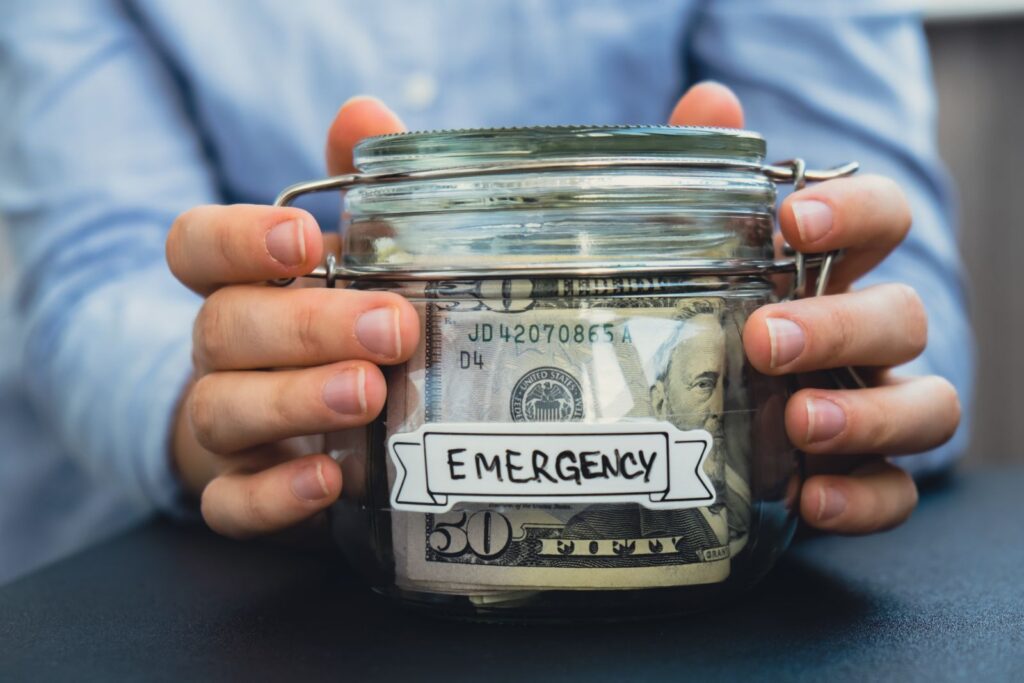
Similar behaviors can also form in response to financial abundance during youth, resulting in spending without considering the consequences. On the other end of the spectrum, one could have fear over spending out of a desire to preserve stability.
While it’s common to lean towards one mindset more than another, everyone is unique! Someone may move between two mindsets depending on their situation. The most important things to know are:
- Money Mindsets aren’t good or bad, but they’re important to understand to make progress on your goals
- Your Money Mindset is learned. This means you can learn and grow toward a new mindset with time, guidance, and practice.
- Your Money Mindset can change. No one is born to be good or bad with money. But our life experiences can shape our attitudes and behavior. The key is understanding your why and making a sustainable action plan.
what’s my money mindset?
Figuring out your Money Mindset can be tricky, especially if you feel shame or anxiety around money (which is totally common! 88% of Americans find thinking about finances stressful. But at Canopy Credit Union, we have a few tips to make the process easy and fun.
- Set a date and time - being intentional about making time for your finances is a game-changer. It’s easy to get caught in a loop of assigning yourself tasks that never get completed. By committing to a date and time, you give yourself the accountability and structure to reflect on your Money Mindset.
- Get cozy - tackling finances is a lot easier when the experience feels enjoyable. That can look like sitting down at a coffee shop with your favorite latte or snuggling up in some blankets at home.
- Journal - write down your step-by-step response to receiving funds. Include how you feel during every step of the process. Do you feel excited or stressed when money hits your account? Do you feel happy or remorseful when you spend money? Be sure to write about how you are with money, not how you want to be with money.
- Look at old bank statements - What story does your past spending tell? When is spending the highest? Is any money going into savings? How much is allotted for fun/wants?
- Reflect - make sure you save this step for the end! Reflecting too early could skew your results. Ask yourself, what story do the spending habits in your journal entry and bank statements tell? Do emotions drive your spending?
make a game plan
We said it once, and we’ll say it again: your Money Mindset does NOT reflect whether you’re good or bad with money. It’s a frame to help you understand the steps you need to take to reach your financial goals.
If you’re feeling lost, we’ve got your back! Understanding your Money Mindset is one thing, but changing the habits that make your Money Mindset are another.

- Envelope Method: This is a great option for individuals who tend to spend money as soon as they get it. It involves physically divvying your money into envelopes of cash that are distributed to different areas of your budget, such as bills, debts, and fun. The added benefit of this approach is that physically handling money creates a strong connection between spending money and losing money. When you feel the emotional loss of giving your money away, you develop more awareness of a dollar’s value.
- 50/30/20 Budget: The 50/30/20 breakdown is a method of allocating funds from your income to different areas. 50% to necessities like housing, 30% for fun, and 20% for savings. This breakdown isn’t for everyone since some may need to set more than 50% of their income aside for necessities. But it’s still a good method for building spending habits that change your mindset, whether it includes overspending or underspending.
- Meet with a financial coach: Financial coaches are a great option for anyone hoping to change their Money Mindset. Canopy Credit Union offers free financial coaching from certified coaches to everyone in the community, so you can make meaningful changes in your life without cost. Fill out an intake form to receive personalized guidance based on your life, Money Mindset, and Goals
- Seek support: Financial habits don’t exist in a vacuum. Our behavior around money can be deeply influenced by factors like mental health, addiction, housing, and more. Sometimes, the biggest impact you can have on your finances is seeking mental health counseling or government aid. When these critical areas are resolved, you have more mental and physical energy to tackle your financial goals!
it all comes down to habits
Once you’ve pinned down your patterns and the ‘why’ behind them, you begin to understand unconscious habits you’ve developed over time that impact your current financial life.
This is GREAT news because habits are something you can change with practice. No matter where you’re at in your financial journey, you can always change your future–for the better!
If you want personalized guidance while you reframe your money mindset, reach out to our certified financial coaching team!